
Commercial development projects involve many coordinated steps, from early design talks to final inspections. Clear expectations help business owners and investors prepare for each phase with confidence. Local regulations, weather patterns, and contractor availability all shape the experience in Iowa. The outline below explains what typically occurs during a commercial construction project and how each stage fits together.
Pre-Construction Planning and Site Review
Every project begins with a detailed planning phase that sets the foundation for commercial construction in Des Moines, IA. Early meetings focus on goals, property size, budget limits, and timelines within Des Moines. Architects and engineers assess zoning rules, utility access, and soil conditions. This stage helps with defining the scope and identifying potential obstacles before work starts.
A site review includes surveys and environmental checks. These evaluations confirm boundaries and highlight drainage or grading needs specific to Des Moines. Clear documentation supports permit applications and lender discussions. When this groundwork is complete, the project can move forward with fewer surprises.
Permits, Approvals, and Local Codes
Construction cannot begin without proper permits from city officials in Des Moines. Applications include building plans, structural details, and utility layouts. Review departments verify compliance with safety codes and zoning laws in Iowa. Approval timelines vary based on project size and complexity. Fire safety, accessibility, and energy standards require careful attention. Each requirement reflects state and local rules that apply to commercial builds.
Inspection Milestones
During the build, inspectors visit the site at key points. Foundation work, framing, electrical systems, and plumbing require separate reviews. Each inspection confirms that construction meets code standards in Des Moines. Passing these checks allows the project to proceed to the next phase.
Missed inspections can delay progress and increase costs in Iowa. A detailed schedule supports timely requests for review. Coordination among subcontractors reduces overlap or conflicts. This structured process keeps compliance on track.
Construction Phase and Project Coordination
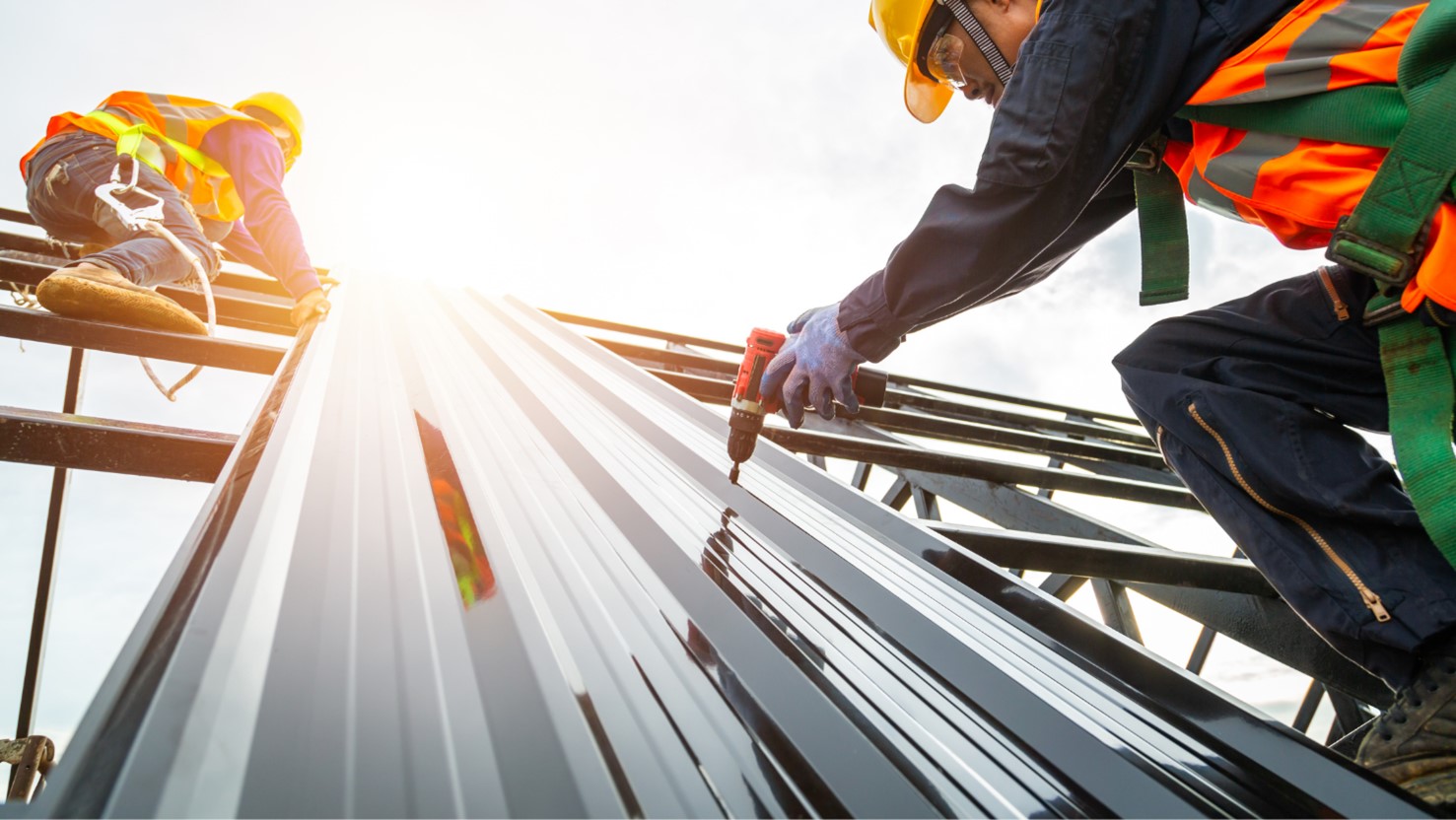
Once permits are approved, physical work begins on site in Des Moines. Crews prepare the land, pour foundations, and erect structural elements. Progress depends on weather conditions, material supply, and workforce availability. A project manager oversees daily activity and monitors timelines.
Regular meetings keep stakeholders informed about progress and budget status. Contractors address design adjustments or unforeseen site conditions as they arise. Clear documentation helps with tracking expenses and change orders. This coordination supports steady advancement through each build stage.
Budget Control and Change Orders
Budget management continues throughout construction. Initial estimates serve as a guide, yet unexpected conditions may lead to adjustments. Change orders document revisions in scope, materials, or design features. Each change requires written approval before work proceeds.
Common cost factors include material price shifts, design modifications, weather delays, and utility relocation needs. Clear communication about these items helps maintain financial clarity. Accurate records support lender reporting and internal accounting. Careful tracking aids in preventing disputes later in the project.
A final walkthrough confirms that the project meets the agreed specifications. Owners review spaces, systems, and documentation. Certificates of occupancy are issued once inspections pass in Des Moines. With organized records and clear communication, commercial construction in Des Moines, IA, reaches completion with greater clarity and accountability. This closing stage marks the transition from a construction site to a fully functional business space ready for occupancy.