
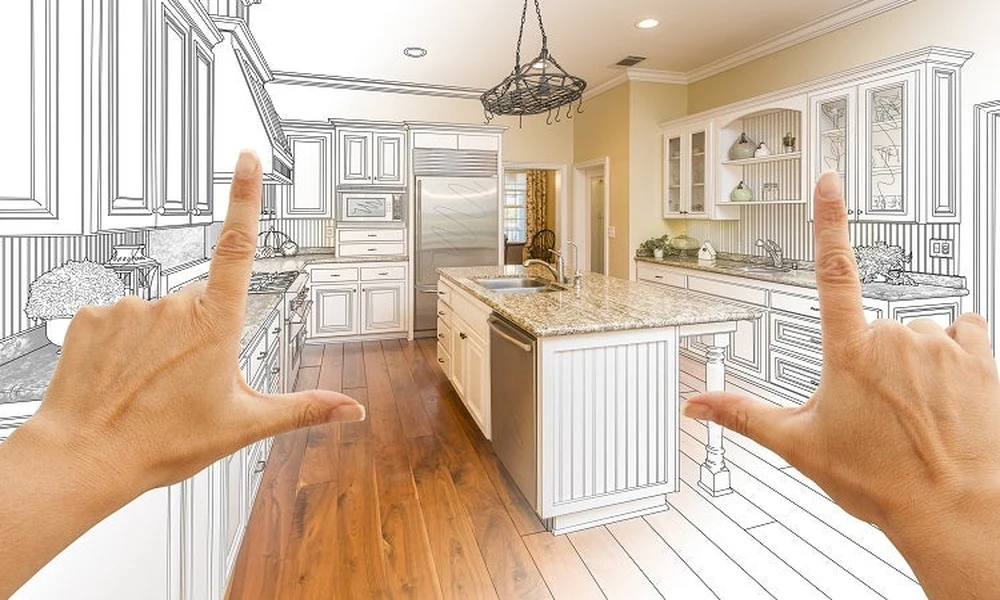
A full home renovation changes how every space in a house looks and functions, so early planning matters more than anything else. Clear decisions at the start help avoid confusion once work begins across multiple rooms and systems. When priorities are set properly, the process becomes more controlled and practical. This article highlights the key points to review before starting a complete home renovation process in Milwaukee.
Budget Planning and Cost Breakdown
Financial planning should include more than visible construction expenses. A complete budget covers design planning, labor charges, permits, material selection, and a reserve for unexpected site adjustments. In Milwaukee home remodeling projects, early cost structuring helps homeowners understand the full scope before work begins. This prevents sudden financial pressure and keeps decisions aligned with the planned scale of renovation.
A detailed breakdown also makes it easier to see how each phase impacts total spending. When costs are grouped clearly, it becomes simpler to adjust priorities without affecting the overall plan. This approach also supports better coordination between planning and execution teams. With a structured budget in place, the renovation process stays steady and well-controlled from start to finish.
Structural Assessment and Code Readiness
A full renovation must begin with a detailed review of the Milwaukee home’s structural condition. Foundation strength, wall stability, roofing condition, and support beams must be evaluated before design changes are finalized. Electrical systems, plumbing networks, and ventilation routes also need to meet updated safety codes to support long-term reliability.
This step is especially important in Milwaukee home remodeling, where seasonal weather conditions can influence material behavior and structural performance. Proper inspection helps identify areas that need reinforcement before work progresses further. Ensuring code readiness early reduces delays later and helps the project move forward without interruptions or unexpected redesign requirements.
Space Flow and Functional Layout
Room arrangement plays a major role in how comfortable and practical a home feels after renovation. A well-planned layout improves movement between spaces and supports daily routines without unnecessary effort. Open areas, private zones, and service spaces must be balanced to match household needs and lifestyle patterns.
Utility lines such as plumbing and electrical paths also influence layout flexibility and final design decisions. When these systems are considered early, the overall structure becomes more efficient and easier to manage. Proper space flow ensures that each area of the home serves a clear purpose while maintaining smooth connectivity throughout the property in Milwaukee.
Material Selection and Supply Timing
Material choice affects both appearance and long-term durability across the home in Milwaukee. Flooring, cabinetry, wall finishes, and fixtures should be selected based on strength, maintenance needs, and design consistency. Each material type also comes with different delivery timelines, which must align with construction phases to avoid delays.
Coordinating material availability with installation schedules helps maintain steady progress across all rooms. Early selection also reduces last-minute changes that can disrupt workflow. When materials are planned properly, the home achieves a more unified design while supporting long-lasting performance and reliability.
Project Phasing and Work Coordination
A complete renovation moves through structured stages that include demolition, rebuilding, system installation, and finishing work. Each phase must be completed in sequence to maintain safety, accuracy, and quality standards. Inspections at key points confirm that work meets required guidelines before moving forward.
Strong coordination between teams helps maintain steady progress across all phases. Proper scheduling ensures that one stage supports the next without overlap or delay. This organized approach keeps the renovation process efficient and helps deliver a finished home that reflects careful planning and execution.
A full home renovation becomes more effective when financial planning, structural evaluation, layout design, and material coordination are handled with clarity from the beginning. Each step adds structure to the process and supports a more functional living environment. With proper preparation and consistent execution, the renovation journey remains smooth and results in a home that is practical, balanced, and well planned for long-term use.