
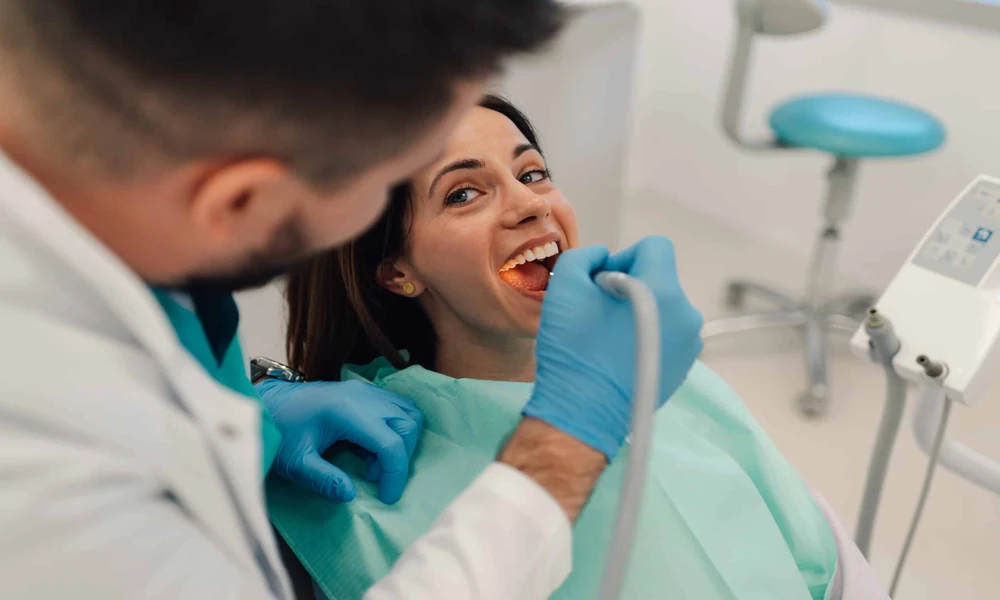
You might not think much about preventive care when teeth seem fine, especially when life is already full of school schedules, work, meals, bills, and the small surprises that show up every week. Then something changes. A child complains that a tooth hurts. A routine visit turns into a filling. An adult who skipped checkups for years starts dealing with gum bleeding, sensitivity, or costly treatment. That is often the moment when How Preventive Dentistry Shapes Oral Health From Childhood To Adulthood stops being a broad idea and starts feeling personal, making a visit to a dentist in Edison, NJ feel especially important.
The reassuring part is this. Prevention is not about perfection. It is about steady habits, timely care, and catching small issues before they grow into painful or expensive ones. From fluoride and sealants in childhood to cleanings, screenings, and gum care in adulthood, a family dentist can help protect oral health at every stage of life.
Why does preventive dentistry matter so much from the very first teeth?
It often starts earlier than many parents expect. Baby teeth do fall out, but they still matter. They help children eat, speak clearly, and hold space for adult teeth. When decay shows up early, it can affect comfort, sleep, nutrition, and even confidence at school. According to the National Institute of Dental and Craniofacial Research on dental caries, cavities remain one of the most common oral health concerns across age groups. That is a reminder that tooth decay is common, but it is also often preventable.
Because of this, early dental visits are less about reacting to problems and more about building a foundation. A child who gets used to cleanings, fluoride, and simple home care lessons often grows into an adult who sees dental care as normal, not something to avoid until pain forces the issue.
So, where does that leave you as the years go on? It means prevention changes with age, but its purpose stays the same. In childhood, the focus may be cavity prevention and healthy development. In the teen years, it may include sports guards, orthodontic monitoring, and reinforcing habits. In adulthood, the attention often shifts toward gum health, worn enamel, restorations, and oral cancer screenings. The thread running through all of it is simple. Small care now can prevent big problems later.
What happens when preventive dental care gets pushed aside?
Most people do not ignore dental care because they do not care. They delay it because life gets busy, money feels tight, or nothing hurts yet. That makes sense in the moment, but oral disease often develops quietly. A cavity can begin without pain. Gum disease can start with mild bleeding that seems easy to brush off. By the time symptoms become hard to ignore, treatment may be more involved and more costly.
Think of a common scenario. A child misses regular visits for a few years and develops decay between the teeth, where it is hard to see at home. Or an adult skips cleanings, then learns that early gingivitis has turned into periodontal disease. In both cases, the emotional strain is real. There is worry, guilt, and the question many people ask themselves. Could this have been avoided?
Often, yes. Preventive oral care gives your dentist the chance to spot changes early, offer guidance that fits your age and habits, and protect teeth before damage spreads. Treatments like dental sealants can lower the risk of cavities on chewing surfaces, especially for children and teens. Support like fluoride also helps strengthen enamel and reduce the chance of decay. These are simple tools, but they can have a lasting effect.
How does preventive oral care look different in childhood, adulthood, and beyond?
Preventive oral care is not one single service. It is a pattern of care that grows with you. For children, that may mean checkups, cleanings, fluoride treatments, sealants, and help learning how to brush well. For adults, it often includes regular exams, tartar removal, gum evaluations, X-rays when needed, and watching for grinding, recession, or failing dental work.
For older adults, prevention becomes even more important. Dry mouth from medications, arthritis that makes brushing harder, gum recession, and wear from years of use can all increase risk. A trusted provider of dental prevention services can adjust care as those needs change, which is one reason seeing a family dentist can be so helpful. The same office can often track patterns over time and understand the history behind your smile.
What practical choices make the biggest difference over time?
It can help to compare daily habits with professional support, because both matter and neither fully replaces the other.
| Preventive step | What you do at home | What a family dentist adds | Why it matters long term |
|---|---|---|---|
| Brushing and flossing | Removes plaque every day and reduces food buildup | Checks for areas you are missing and gives technique tips | Helps lower cavity and gum disease risk |
| Fluoride protection | Use fluoride toothpaste consistently | May provide fluoride treatments when risk is higher | Strengthens enamel and helps prevent decay |
| Sealants for children and teens | Keep molars clean at home | Places sealants in deep grooves where decay often starts | Can reduce cavities on chewing surfaces |
| Routine exams and cleanings | Watch for pain, bleeding, or sensitivity | Finds early cavities, tartar, gum changes, and bite issues | Small problems can be treated before they grow |
What can you do right now to protect your family’s oral health?
1. Build a simple routine you can repeat.
Brush twice a day with fluoride toothpaste, floss once a day, and keep sugary snacks and drinks in check. If you have children, make the routine visible and predictable. The goal is not a perfect chart on the fridge. The goal is consistency that feels normal.
2. Keep regular dental visits on the calendar.
Preventive care works best when it is ongoing. If it has been a while, start with one visit rather than worrying about everything at once. A family dentist can help you understand what needs attention now and what can be monitored over time.
3. Ask age specific questions.
For a child, ask about sealants, brushing technique, and cavity risk. For a teen, ask about sports protection or wisdom teeth monitoring. For an adult, ask about gum health, grinding, or sensitivity. For an older parent, ask about dry mouth and home care tools that are easier to use. Prevention becomes more useful when it is tailored to the season of life you are in.
Could a family dentist really change the long-term picture?
Yes, often in quiet ways that add up over time. Fewer emergencies. Less pain. More confidence. Better odds of keeping natural teeth longer. That is the real value of preventive dentistry. It supports your health before there is a crisis, and it helps children and adults move through life with stronger habits and fewer setbacks.
If you have been putting dental care off, you are not alone, and you do not need to solve everything today. Start with the next right step. Schedule a preventive visit with a family dentist and ask what care makes the most sense for your stage of life. A small step now can shape oral health for years to come.