
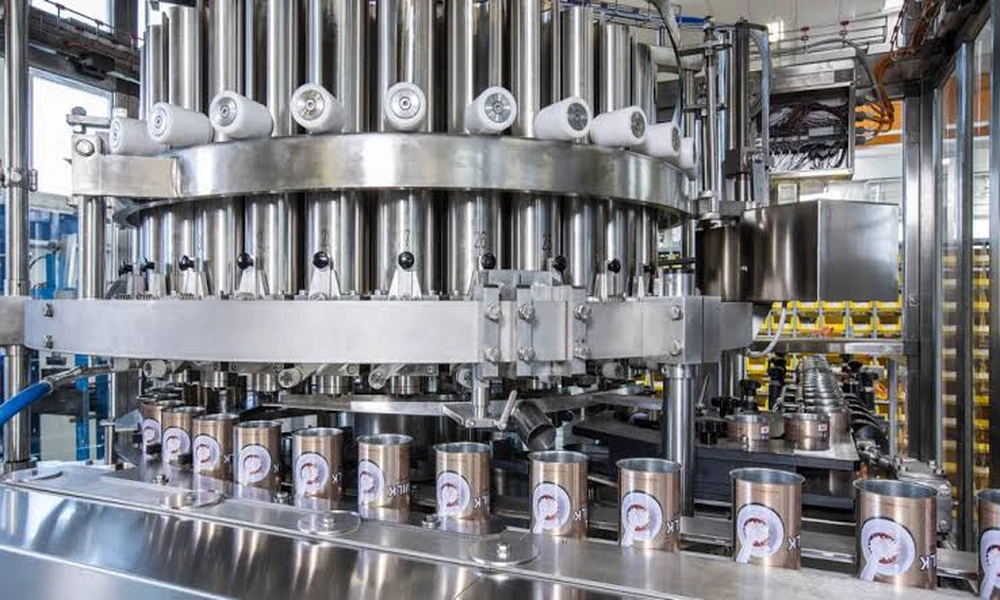
Cans, pails and jerry cans are used for paints, lubricants, chemicals, food ingredients and many other products. Customers expect each container to hold the declared amount, and regulations often require it. Yet maintaining consistent fill levels across thousands of containers is not always easy. Effective can filling depends on accurate equipment, stable product conditions and good process control. This article explains how to achieve consistent fills.
Why Consistency Matters
Inconsistent fills cause problems in several ways. Underfilled containers may breach declared quantity requirements and lead to complaints. Overfilled containers give away product and may cause spills during capping or transport. Inconsistent fill levels also look unprofessional on store shelves. Consistent fills protect both profitability and reputation. For trade customers who buy in bulk, consistent fills also make their own stock control easier. It also simplifies compliance checks by inspectors.
Choosing Between Volume and Weight Filling
Containers can be filled by volume or by weight. Volume filling measures the amount of product dispensed, while weight filling measures the product’s mass. Weight filling is often more accurate for products whose density varies with temperature or composition. Volume filling may suit products with stable density. Choosing the right method is the foundation of consistent fills. Many pail and jerry can fillers use weighing platforms because the containers are large enough for precise weighing.
Controlling Product Temperature
Temperature affects viscosity and density, which in turn affect fill accuracy. Products filled at different temperatures may give different results. Keeping product temperature stable, through storage conditions or heating systems, improves consistency. Some filling systems include temperature compensation. Storing product in a temperature-controlled area before filling is often the simplest fix. Recording product temperature alongside fill weights helps explain any variation.
Managing Foaming and Splashing
Foaming products can give false readings or overflow containers. Splashing can cause product loss and contamination. Practical ways to reduce foaming and splashing include:
- Bottom-up or subsurface filling
- Slower flow in the final stage of the fill
- Nozzles designed for foaming products
- Allowing product to settle before filling
Each of these steadies the reading at the end of the fill. Reducing these issues helps achieve consistent fill levels.
Calibration and Verification
Regular calibration keeps filling equipment accurate. Weighing systems should be checked with certified weights, and volume systems should be verified against known standards. Spot checks during production confirm that fills remain within tolerance. Recording calibration results supports quality control and compliance. A short check at the start of every shift catches problems before many containers are filled. Records should note any adjustment made after a check.
Using Two-Stage Filling
Two-stage filling, with a fast initial fill followed by a slower final fill, improves accuracy. The fast stage fills most of the container quickly, while the slow stage allows precise control as the target is approached. This method is common in can filling systems for pails and drums where both speed and accuracy matter. The switch point between stages can be adjusted to balance speed against accuracy.
Container Consistency
Variations in container size, weight or shape can affect fill results. Using containers from reliable suppliers with consistent specifications helps. Weight-based systems that tare each container compensate for variations in container weight. Checking incoming containers for defects prevents problems during filling. Dented or deformed containers should be removed before filling, since they can cause spills or inaccurate fills.
Operator Training
Even automated systems depend on operators to set up and monitor the process. Training helps operators understand how to adjust settings, recognise problems and perform checks. Clear procedures for start-up, changeover and quality checks support consistency. Simple visual guides at the machine help new staff follow the correct steps. Short refresher sessions after changes in product or equipment keep standards consistent.
Monitoring and Data
Monitoring fill results helps identify trends before they become problems. Useful practices include:
- Recording fill weights or volumes
- Tracking rejects and adjustments
- Reviewing data by shift or product
- Investigating gradual drifts in accuracy
Data-driven monitoring supports continuous improvement.
Equipment Maintenance
Worn valves, seals or nozzles can affect fill accuracy. Regular maintenance keeps equipment performing consistently. Replacing wear parts before they fail prevents gradual drift in accuracy. A maintenance schedule based on usage helps plan this work. Keeping a log of parts replaced helps predict when the next replacement is due. Worn parts often cause slow drift rather than sudden failure.
Handling Different Container Sizes
Many facilities fill several container sizes on the same equipment, from small cans to twenty-litre pails. Each size needs its own target weight, nozzle height and flow settings. Storing these as recipes in the machine controller avoids manual adjustments and reduces errors at changeover. Checking the first few containers after each changeover confirms that the settings are correct before full production resumes.
Achieving Consistent Fills
Consistent fill levels result from the right equipment, stable product conditions, regular calibration and well-trained operators. Each element contributes to accuracy. For manufacturers filling pails and jerry cans, a supplier of pail and jerry can filling machines can recommend systems designed for consistent results. Reviewing fill data regularly helps maintain the improvement once it is achieved.