
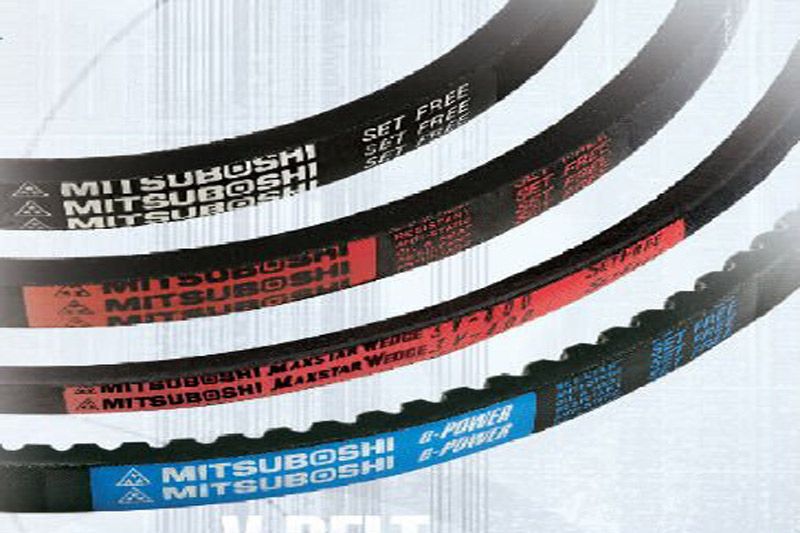
When it comes to machines, every detail counts. From the heaviest motors to the smallest screws — everything plays a role in making the system work flawlessly. But there’s one component that quietly keeps the rhythm going without much attention — the rubber timing belt.
Whether it’s an automobile engine, a printing press, or a food packaging line, industrial timing belts are what synchronize motion, prevent slippage, and ensure precise mechanical performance. In short, they make sure your machines move exactly when and how they should.
Why Rubber Timing Belts Are Still the Gold Standard
You’d think with all the new materials and technologies, rubber belts would have taken a backseat. But that’s far from the truth. Rubber timing belts continue to dominate because they’re reliable, durable, and versatile enough to handle various industrial applications.
Here’s why they remain every engineer’s trusted choice:
- Flexibility: Rubber belts adapt to tension and alignment easily.
- Low noise: They ensure smooth and quiet operation, especially in high-speed machines.
- High friction: Their surface provides a strong grip for efficient torque transmission.
- Cost-effective: Compared to metal or polyurethane alternatives, rubber belts are budget-friendly yet durable.
Whether it’s transferring power in an automotive setup or synchronizing parts in a conveyor system, rubber belts are the unsung heroes of efficiency.
How Rubber Timing Belts Work Their Magic
A timing belt’s main job is synchronization. The belt’s teeth fit perfectly into the pulley grooves, ensuring precise timing between rotating parts. In engines, that means valves open and close exactly when they should. In factories, it means machines stay perfectly coordinated without missing a beat.
Industrial designers love timing belts because they:
- Maintain constant speed ratios
- Require minimal maintenance
- Offer energy efficiency by reducing slippage and friction
This combination of accuracy and durability makes them ideal for sectors ranging from automotive to manufacturing and even robotics.
What Smart Engineers Look For When Choosing a Belt
Selecting the right belt isn’t as simple as picking one that fits. Experienced engineers and maintenance professionals consider a few critical factors to ensure long-term performance:
- Material Quality: The composition of rubber and reinforcement materials determines flexibility and wear resistance. High-grade rubber ensures longer belt life even under stress.
- Tooth Profile: The shape and size of the belt teeth affect how smoothly it meshes with pulleys — the more precise the fit, the better the performance.
- Temperature Tolerance: Industrial environments can vary from freezing cold to scorching heat. A quality belt should handle both without cracking or slipping.
- Load Capacity: The belt should withstand high torque without stretching or losing tension.
- Manufacturer Reliability: Working with trusted timing belt manufacturers in India ensures consistent quality, proper testing, and compatibility with your machinery.
A smart engineer always weighs these aspects before installing a new belt — because the right choice can prevent countless hours of downtime later.
The Evolution of Industrial Timing Belts
The design of industrial belts has come a long way. Traditional flat belts have given way to precision-engineered options that combine rubber, fiber reinforcements, and synthetic coatings. This hybrid construction gives today’s belts higher tensile strength, better heat resistance, and longer operational life.
Many modern belts also feature anti-static and oil-resistant properties, making them ideal for demanding industrial environments. They’re lighter, more energy-efficient, and designed to work with automated systems — keeping pace with the needs of Industry 4.0.
Maintenance Tips for Longer Belt Life
Even the best belts need care to last. Regular checks can make a huge difference in their performance and lifespan:
- Keep pulleys aligned and clean.
- Avoid over-tensioning — it can cause early wear.
- Replace belts at the first sign of cracks or frayed edges.
- Store spare belts in cool, dry conditions to preserve elasticity.
Simple habits like these can extend belt life and improve overall machine efficiency.
“The next time you see a production line running effortlessly, remember there’s a rubber timing belt working quietly behind the scenes to make it happen. These belts might seem simple, but their engineering precision drives industries forward ensuring reliability, synchronization, and performance that lasts.”