
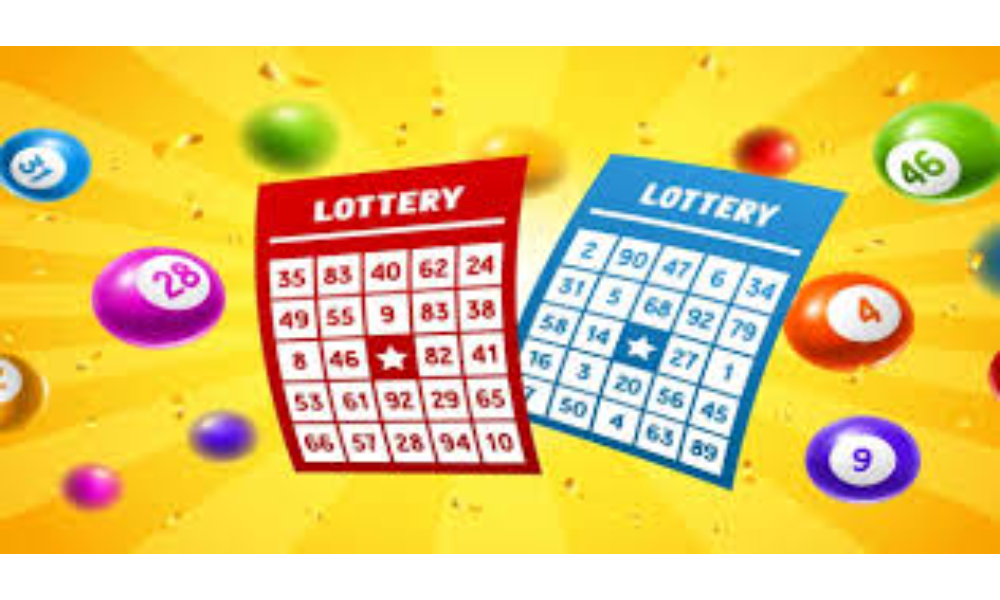
Number group analysis divides lottery digits into categories, examining distribution patterns across odd-even splits, high-low ranges, consecutive sequences, and decade clusters. These organisational frameworks help participants structure selections systematically rather than picking randomly. Lotto888 provide statistical tools displaying group distribution data from historical draws.
Odd-even distribution strategy
Balanced selections that mix odd and even numbers often reflect actual draw patterns better than combinations that focus mainly on one category. Historical records show that most lottery draws include a mix of three to four odd numbers and two to three even numbers instead of extreme results with all numbers being odd or all numbers being even. Participants employing group analysis deliberately structure entries containing appropriate odd-even ratios matching observed historical tendencies.
-
High-low range splitting
Dividing available numbers into high and low groups, then selecting from both categories, creates broader number space coverage compared to concentrated selections.
-
Lower range characteristics
In games offering numbers 1 to 49, the low numbers are represented by 1-24, and the high numbers by 25-49. The lower range bias results from participants choosing numbers 1-31 according to their birthday dates. This concentration means lower-range wins might split among more duplicate entries compared to high-range combinations receiving less selection attention from casual participants.
Upper range selection
Higher numbers 32-49 receive proportionally less selection from birthday-focused players, potentially reducing the number of winners if these digits appear in draw results. Strategic participants deliberately include upper-range numbers, balancing selections across the complete number space rather than clustering in popular lower zones. Mixed high-low combinations matching typical draw distributions appear more frequently than skewed selections concentrated exclusively in either extreme range.
Consecutive number avoidance
Sequences like 5-6 or 23-24-25 attract attention during group analysis as participants decide whether including consecutive digits suits their selection strategy preferences. Statistical examination shows consecutive pairs appearing in roughly 50-60% of lottery draws, meaning they occur regularly enough that avoiding them unnecessarily limits selection options. Longer consecutive sequences spanning 3-4 numbers appear less frequently but still occur often enough that complete avoidance represents unnecessary restriction. Some participants specifically avoid all consecutive patterns, believing they appear rarely, while others include them, recognising statistical data supporting regular appearance rates. Group analysis tools display consecutive appearance frequencies across historical results, informing whether personal avoidance or inclusion approaches align with actual draw pattern realities.
Decade cluster examination
Organising numbers by decades (1-9, 10-19, 20-29, 30-39, 40-49) reveals whether selections distribute across multiple groups or concentrate within narrow clusters.
-
Multi-decade coverage benefits
Balanced selections spanning 3-4 different decades create broader coverage compared to entries clustering within 1-2 decade groups. This distribution approach mirrors historical draw patterns where winning combinations typically spread across multiple decade ranges rather than concentrating in single groups. Analysis tools highlight decade distribution within historical draws, showing typical spread patterns across available groupings.
-
Concentration pattern risks
Selections concentrated in single decades limit the number of space utilisation, potentially missing winning combinations that span broader ranges. Birthday-driven selections often cluster in 0-3 decades corresponding to date ranges, creating predictable concentration patterns that group analysis helps identify and correct. Deliberate multi-decade structuring ensures selections cover the complete available number space rather than inadvertently limiting options through unconscious clustering toward familiar digit ranges.
Number group analysis helps through odd-even balancing, high-low splitting, consecutive number evaluation, decade distribution examination, and total targeting. These organisational frameworks create systematic selection approaches beyond random picking while maintaining awareness that each draw remains mathematically independent. Group analysis provides structured methods for participants wanting analytical selection processes rather than purely intuitive number choosing based on personal significance or superstition.