
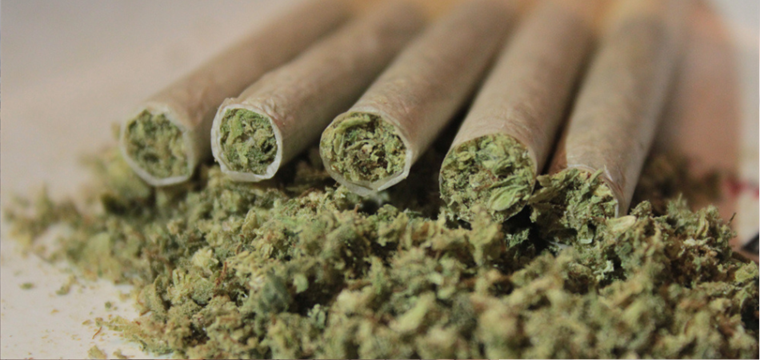
Cannabis — often regarded as a relatively mild substance — can still exert a powerful influence on lives when use becomes frequent, heavy, or emotionally driven. What begins as casual or social use may gradually evolve into a reliance that disrupts memory, motivation, relationships, and mental health. Yet recovery from such dependence is possible. With the right support, structure, and intent, individuals struggling with marijuana use disorder can reclaim control, rebuild purpose, and rediscover balance.
Recognizing the Hidden Toll of Habitual Use
Frequent or prolonged use of cannabis can lead to what medical professionals refer to as cannabis use disorder (CUD), and in many cases, addiction. As tolerance builds, users may steadily increase their intake just to feel normal, and simple activities may lose appeal. Memory lapses, reduced focus, diminished learning capacity, and compromised judgement become common.
Moreover, when individuals try to stop using, they often experience withdrawal-like symptoms: irritability, anxiety, mood swings, sleep disturbance, restlessness, reduced appetite, or depression. These symptoms — while rarely life-threatening — can be intense enough to provoke relapse or make abstinence feel unattainable without help.
Beyond the physical and cognitive effects, heavy cannabis dependence frequently affects one’s emotional well‑being and social functioning. People may withdraw from friends and family, lose interest in hobbies or goals, face difficulties at work or school, and experience a decline in overall motivation and life satisfaction.
Why Cutting Back Often Isn’t Enough
Because cannabis dependency affects not only the body but also the brain’s reward circuitry, simply stopping use without support often leads to relapse. The brain becomes accustomed to the rewarding effects of THC, the psychoactive ingredient in marijuana, making natural sources of satisfaction — work, relationships, hobbies — feel dull or insufficient.
Furthermore, cannabis use today tends to be stronger than in previous decades, with higher concentrations of THC, which can deepen dependence and intensify withdrawal when use stops. Because of the often‑underestimated nature of marijuana, many individuals — and those around them — don’t recognize the seriousness of the problem until the negative consequences have already taken root.
This is where structured recovery becomes important. For those whose life has been significantly impacted by heavy cannabis use, a thoughtful, comprehensive approach — including medical oversight, counseling, support, and relapse prevention — offers the strongest path toward lasting recovery.
Healing Through Support: What Recovery Can Offer
A compassionate, well-rounded recovery journey begins with detoxification and stabilization, helping the body and brain adjust as THC levels drop and withdrawal symptoms are managed in a safe, controlled environment. Even though withdrawal from cannabis tends to be less physically dangerous than withdrawal from substances like alcohol or opioids, it can still be emotionally and mentally taxing.
Therapeutic interventions are essential. Behavioral therapies, such as cognitive‑behavioral therapy (CBT), help individuals examine the underlying reasons for cannabis use — stress, trauma, anxiety, routine — and rebuild healthier coping strategies. Therapy can also help restore motivation, emotional balance, and decision‑making abilities disrupted by long-term use.
Equally valuable are peer‑support networks and mutual‑aid groups. Organizations within such networks offer community, shared experience, accountability, and guidance — reminding individuals that dependence isn’t a moral failing, but a health challenge that can be addressed with commitment and support.
Finally, long-term aftercare — including relapse‑prevention planning, lifestyle adjustments, emotional support, and perhaps ongoing therapy — is often what distinguishes temporary abstinence from lasting recovery. By rebuilding daily habits, coping strategies, and a sense of purpose, individuals improve their chances of reclaiming stable, fulfilling lives.
Recovery as a Journey, Not a Quick Fix
Acknowledging dependence requires courage — especially when cannabis is socially accepted or viewed as relatively benign. Yet, for those whose use has grown into control rather than escape, seeking help can start a journey toward meaningful change. A dedicated San Antonio addiction services approach (or similar) can offer structured care, understanding, and a path toward restoring health, clarity, and hope.
Recovery may not erase the years of use or all its consequences, but it does offer a chance to rebuild: mentally, emotionally, socially. For many, this means rediscovering motivation, reconnecting with loved ones, regaining confidence, and reclaiming a sense of purpose beyond substance use.
If cannabis use has begun to interfere with daily functioning, emotional well‑being, or personal goals — know that dependency is real and help is available. Through careful support, compassion, and commitment, rebuilding a balanced and meaningful life is possible again.